
The Future of Farming: A Blend of Technology and Implements
November 4, 2025🌾 Importance of Crop Rotation for Soil Health
November 8, 2025In recent years, agriculture has undergone a remarkable transformation. What was once a labor-intensive, weather-dependent industry is now becoming smarter, data-driven, and more efficient. At the center of this revolution is Precision Agriculture — an approach that leverages technology to optimize every aspect of farming.
From soil analysis to crop monitoring and resource management, precision agriculture is reshaping how farmers grow food, conserve resources, and increase profits. https://www.facebook.com/GarudAgriImplements/
🌍 What Is Precision Agriculture?
Precision Agriculture (PA), also known as smart farming, refers to the use of advanced technologies such as GPS, sensors, drones, data analytics, and AI to make farming more accurate and controlled.
Instead of treating an entire field as one uniform area, precision agriculture enables farmers to manage crops at a micro-level — addressing the specific needs of different sections of the field.
In simple terms, it’s about doing the right thing, at the right place, at the right time.
💡 Key Technologies Driving Precision Agriculture
1. GPS and GIS (Geographic Information Systems)
GPS technology allows farmers to map fields accurately and track equipment with precision. With GIS mapping, they can visualize soil variations, moisture levels, and crop health — making it easier to plan irrigation, fertilization, and planting schedules.
2. Drones and Remote Sensing
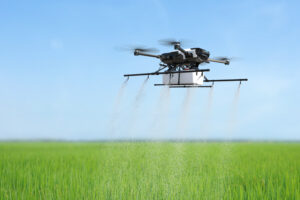
Drones equipped with high-resolution cameras and sensors can scan large areas quickly, capturing real-time images and data on crop health, pest infestations, and plant stress. This enables early problem detection and quick action.
3. IoT (Internet of Things) Sensors
Soil moisture sensors, weather stations, and nutrient monitors provide continuous, real-time data from the field. This helps farmers make informed decisions on when and how much to irrigate or fertilize.
4. Data Analytics and Artificial Intelligence
AI-powered analytics tools process vast amounts of data from sensors and satellite images to predict yield outcomes, detect diseases, and suggest corrective actions. Predictive analytics can even forecast future climate and crop trends.
5. Variable Rate Technology (VRT)
VRT allows farmers to apply inputs — such as seeds, fertilizers, and pesticides — at varying rates across a field. This ensures each section of the farm gets exactly what it needs, reducing waste and improving productivity.
🌾 Benefits of Precision Agriculture
✅ 1. Increased Productivity
By using data-driven insights, farmers can identify and fix inefficiencies in their farming processes, leading to higher yields.
💧 2. Efficient Resource Use
Precision farming minimizes overuse of water, fertilizers, and pesticides, saving costs and protecting the environment.
🌿 3. Environmental Sustainability
Targeted input use reduces soil degradation, chemical runoff, and greenhouse gas emissions, supporting sustainable agriculture.
💰 4. Cost Savings
Farmers spend less on fuel, seeds, and chemicals because resources are applied only where needed.
📊 5. Better Decision-Making
With accurate data at their fingertips, farmers can make smarter, evidence-based decisions — from planting to harvesting.
🔮 The Future of Precision Agriculture
As technology continues to evolve, the future of precision agriculture looks incredibly promising. Integration of AI-driven automation, robotic farming, and satellite-based monitoring will make agriculture even more efficient and climate-resilient.
In developing countries, where smallholder farmers are the backbone of food production, the adoption of affordable precision tools could lead to a new green revolution — one driven not by chemicals, but by data.
🌱 Conclusion
Precision agriculture isn’t just about technology — it’s about empowering farmers to make better decisions, increase profitability, and protect the planet.
By embracing this digital transformation, agriculture can become more productive, sustainable, and resilient — ensuring food security for generations to come.
