
Precision Agriculture: How Technology Is Revolutionizing Farming
November 8, 2025Marketing Strategies for Small-Scale Farmers: Grow Your Profits Beyond the Field
November 8, 2025🌱 Introduction Crop Rotation
Healthy soil is the heart of successful farming. It determines how well crops grow, how much yield farmers get, and how sustainable agriculture can be over time. However, when the same crop is planted in the same field year after year, the soil becomes tired — losing nutrients, structure, and biodiversity.
That’s where crop rotation comes in. Crop rotation is one of the simplest and most effective practices to improve soil health, increase productivity, and promote sustainable farming. https://www.facebook.com/GarudAgriImplements/ It’s a centuries-old method that remains essential in modern agriculture — not only for farmers but also for the planet.
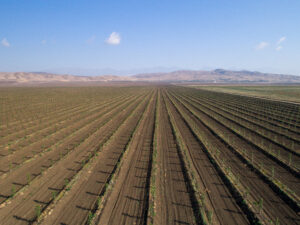
🌾 What Is Crop Rotation?
Crop rotation is the planned sequence of planting different crops on the same land over several growing seasons. Instead of planting the same crop (like wheat or maize) every season, farmers alternate between crops such as legumes, cereals, and cover crops.
Each type of plant interacts differently with the soil — taking certain nutrients and returning others. This natural balance keeps the soil fertile and productive year after year.
Example Rotation:
-
Year 1: Maize (heavy nitrogen user)
-
Year 2: Soybeans (nitrogen fixer)
-
Year 3: Wheat (light feeder)
-
Year 4: Clover or grass (cover crop to rebuild soil)
🌍 Why Crop Rotation Is Important for Soil Health
1. 🌾 Prevents Nutrient Depletion
Each crop draws specific nutrients from the soil. If the same crop is grown repeatedly, it drains those nutrients, leaving the soil barren.
Rotating crops — for example, planting legumes after cereals — helps restore nitrogen naturally, reducing the need for synthetic fertilizers.
2. 🦠 Improves Soil Microbial Activity
Soil is a living ecosystem full of microorganisms. Different plants release different compounds through their roots, feeding diverse microbial communities. Crop rotation encourages beneficial microbes that enhance soil fertility and nutrient availability.
3. 🐛 Reduces Pests and Diseases
Many pests and diseases thrive when their host crop is grown continuously. By changing crops each season, farmers break the life cycle of pests and pathogens, reducing infestations naturally and minimizing pesticide use.
4. 💧 Enhances Soil Structure and Water Retention
Deep-rooted crops like alfalfa and sunflower help loosen compacted soil layers, improving aeration and drainage. Shallow-rooted crops, on the other hand, prevent erosion and stabilize the soil surface. Together, they make the soil more resilient to drought and floods.
5. 🌿 Promotes Sustainability and Higher Yields
Crop rotation leads to a balanced, nutrient-rich soil ecosystem. Over time, this results in better crop performance, higher yields, and reduced farming costs since farmers spend less on fertilizers and pesticides.
📊 Example of a Simple Crop Rotation Plan
| Year | Crop | Soil Benefit |
|---|---|---|
| 1 | Maize | High nutrient use |
| 2 | Soybean | Nitrogen fixation |
| 3 | Wheat | Soil rest and recovery |
| 4 | Clover | Adds organic matter & prevents erosion |
🌾 Environmental Benefits of Crop Rotation
-
🌍 Reduces soil erosion and water runoff
-
🌱 Improves carbon sequestration for climate resilience
-
🐝 Encourages biodiversity both above and below ground
-
🚜 Supports long-term sustainability in agriculture
By diversifying crops, farmers protect both their land and the environment.
🌱 Conclusion
Crop rotation is more than a traditional farming practice — it’s a smart, science-backed strategy to maintain healthy soil, improve yields, and protect the planet. By rotating crops wisely, farmers nurture the very foundation of agriculture: the soil itself.
A healthy soil leads to healthy crops, sustainable farming, and a greener future for all.
