
How Weeder Implements Reduce Labor Cost in Farming
December 8, 2025The Future of Agriculture: Smart Farming for a Sustainable World
January 13, 2026Rice farming is one of the oldest and most important agricultural practices in the world. In countries like India, rice is not only a major food crop but also a key source of income for millions of farmers. With the right techniques, modern tools, and proper crop management, rice cultivation can become more productive, cost-effective, and profitable.
This complete guide to rice farming explains every stage of cultivation in a simple and practical way.
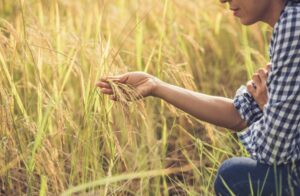
1. Climate and Soil for Rice Cultivation
Rice Farming grows best in warm and humid conditions.
It requires:
-
Warm temperature between 20°C and 35°C
-
Good water availability
-
Fields that can hold moisture for long periods
Clay and clay-loam soils are ideal because they retain water and nutrients well. Slightly acidic to neutral soil gives the best results.
2. Field Preparation
Good land preparation is the foundation of a healthy rice crop.
The field should be ploughed deeply and then puddled to make the soil soft and level. Puddling helps reduce water loss, controls weeds, and supports better root development.
Adding well-decomposed organic manure improves soil structure and provides essential nutrients. https://www.facebook.com/GarudAgriImplements/ A well-leveled field ensures uniform water distribution, which is very important for rice farming.
3. Seed Selection and Nursery Raising
High-quality seed decides the strength of the entire crop.
Always select improved, high-yielding, and disease-tolerant varieties suitable for your region. Before sowing, seeds should be treated to protect them from early diseases.
Seeds are first grown in a nursery. Within 20 to 30 days, healthy seedlings become ready for transplanting. Strong seedlings lead to better tillering and higher production.
4. Transplanting of Seedlings
Seedlings are transplanted into puddled fields with shallow water.
Spacing between plants allows:
-
Better air circulation
-
Strong root growth
-
Higher number of productive tillers
Transplanting young and healthy seedlings reduces crop stress and increases yield potential.
5. Direct Seeded Rice (DSR)
Direct seeding is a modern method where seeds are sown directly in the main field.
This method:
-
Reduces labor requirement
-
Saves water
-
Allows early crop maturity
-
Supports mechanized farming
With proper weed and moisture management, DSR can give excellent results.
6. Nutrient Management
Rice needs balanced nutrition throughout its growth.
Nitrogen supports plant growth, phosphorus strengthens roots, and potash improves grain quality and disease resistance. Organic manures and crop residues help maintain long-term soil health.
Fertilizers should be applied in split doses so that plants get nutrients when they need them the most.
7. Water Management
Although rice loves water, excess water is harmful.
Maintaining shallow water and allowing fields to dry slightly between irrigations improves root health and saves water. Critical stages such as tillering, flowering, and grain filling must never face moisture stress.
Smart water management increases yield and reduces input cost.
8. Weed, Pest, and Disease Control
Weeds compete with rice plants for nutrients, sunlight, and water. Early weed control is very important.
Regular field observation helps detect pests and diseases in the early stage. Using resistant varieties, clean farming practices, and need-based plant protection measures keeps the crop healthy and productive.
9. Harvesting
Rice Farming is ready for harvest when most grains turn golden and become firm.
Harvesting at the right time:
-
Improves grain quality
-
Reduces losses
-
Increases market value
Modern machines like reapers and combine harvesters save time, labor, and post-harvest losses.
10. Drying and Storage
After harvesting, rice grains must be properly dried. Safe storage requires clean, dry, and ventilated conditions. Correct moisture level protects grains from insects, fungus, and spoilage.
Good storage practices protect the farmer’s hard work and profit.
Conclusion
Rice farming is most successful when traditional knowledge is combined with modern methods. From land preparation to storage, every step plays a vital role in determining final yield and income. By using quality seeds, balanced nutrition, efficient water management, and modern machinery, farmers can achieve higher production, better grain quality, and long-term sustainability.
