
The Future of Agriculture: Smart Farming for a Sustainable World
January 13, 2026Importance of Soil Health in Successful Farming
January 14, 2026Successful farming does not begin at sowing—it begins in the soil. From preparing healthy soil to managing crops and harvesting at the right time, every stage plays an important role in achieving higher yield, better quality, and improved profits. This guide explains the complete journey from soil to harvest, helping farmers adopt better practices for sustainable and productive crop production.
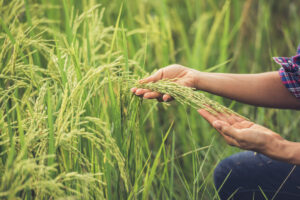
🌱 1. Soil Health: The Foundation of Every Good Crop Production
Healthy soil is the backbone of agriculture. It provides nutrients, water, and support to plants.
✔ Test Your Soil
Soil testing helps identify nutrient levels, pH balance, and organic matter. Based on results, farmers can apply the right fertilizers and amendments.
✔ Improve Soil Fertility
-
Add organic manure and compost
-
Practice crop rotation
-
Use green manure and cover crops
-
Reduce excessive chemical use
Healthy soil improves root growth, water retention, and resistance to diseases.
🚜 2. Land Preparation: Setting the Stage for Strong Crops
Proper land preparation creates ideal conditions for seed germination.
Key steps include: https://www.facebook.com/GarudAgriImplements/
-
Ploughing to loosen soil
-
Leveling for proper irrigation
-
Removing weeds and crop residue
-
Applying basal fertilizers
Modern agricultural implements like rotavators, cultivators, and laser land levelers help save time, fuel, and labor while improving soil structure.
🌾 3. Seed Selection & Sowing: Starting Right
High-quality seeds lead to strong crops.
✔ Choose the Right Seeds
-
Certified and disease-free
-
Suitable for local climate
-
High-yielding and resistant varieties
✔ Proper Sowing Methods
-
Maintain correct spacing and depth
-
Use seed drills or planters
-
Treat seeds before sowing to prevent disease
Correct sowing ensures uniform germination and healthy crop growth.
💧 4. Water Management: Every Drop Matters
Efficient irrigation is essential for crop development.
Best practices include:
-
Drip and sprinkler systems
-
Irrigating according to crop stage
-
Avoiding overwatering
-
Using soil moisture monitoring
Smart irrigation saves water, reduces cost, and protects crops from stress.
🌿 5. Nutrient Management: Feeding the Crop Correctly
Balanced nutrition leads to better yield and quality.
-
Use soil-test-based fertilizer application
-
Combine organic and inorganic nutrients
-
Apply micronutrients when required
-
Avoid excessive nitrogen use
Timely and balanced fertilization strengthens plants and increases resistance to pests and diseases.
🐛 6. Pest, Disease & Weed Control
Unchecked pests and weeds can destroy productivity.
Effective crop protection includes:
-
Regular field monitoring
-
Integrated Pest Management (IPM)
-
Mechanical and biological control methods
-
Safe and need-based chemical use
Early detection saves crops and reduces unnecessary expenses.
🌤️ 7. Crop Production Monitoring & Growth Management
Farmers should regularly observe:
-
Plant height and color
-
Pest or disease symptoms
-
Soil moisture levels
-
Nutrient deficiencies
Modern tools like mobile apps, drones, and sensors are making crop monitoring easier and more accurate.
🌾 8. Harvesting: Reaping the Rewards
Timely harvesting ensures:
-
Maximum yield
-
Better grain quality
-
Reduced losses
Using modern harvesters and proper storage methods protects the crop from damage, moisture, and pests.
🌱 Conclusion
Better crop production is the result of good decisions at every stage—from soil preparation to final harvest. By focusing on soil health, proper irrigation, balanced nutrition, and modern farming practices, farmers can achieve higher productivity, sustainability, and profitability.
The journey from soil to harvest is not just farming—it is smart farming for a better future.
